1. Overlooking the Climate
One of the most common pitfalls in creating an outdoor oasis is neglecting to consider local climate conditions. San Francisco, for example, has a reputation for its foggy mornings and breezy afternoons, factors that can significantly influence your choice of materials and plants. Opting for delicate furniture in a region prone to heavy rainfall or intense sunlight can lead to rapid deterioration. Consider investing in weather-resistant materials such as teak or powder-coated metal, and select plants that thrive in your climate zone. By aligning your design with the environment, you ensure longevity and functionality.
2. Ignoring Traffic Flow
The flow of movement through your outdoor space is crucial for both aesthetics and usability. Picture a garden party in Austin, where guests meander from the barbeque to seating areas. A cluttered layout can turn mingling into a maze. Plan pathways and spaces that allow for easy access and natural movement. Utilize stepping stones or gravel paths to guide guests, and ensure furniture arrangements do not obstruct these routes. A well-thought-out traffic flow enhances the experience for everyone.
3. Skipping on Shade Solutions
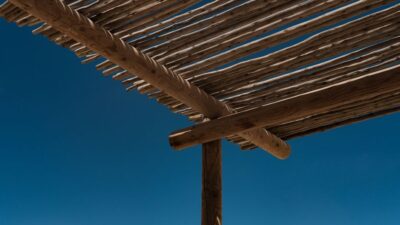
While basking in the sun might be on your priority list, failing to incorporate adequate shade can turn your outdoor haven into an uncomfortable oven. In cities like Phoenix, where summer temperatures often soar, shade is indispensable. Consider installing pergolas, retractable awnings, or strategically placed umbrellas. These elements provide respite from the sun and add depth to your design. Shade solutions transform an area, making it usable throughout the day while protecting against harmful UV rays.
4. Forgetting About Lighting
Lighting is often an afterthought in outdoor design, yet it plays a vital role in creating ambiance and ensuring safety. Imagine a serene evening in Savannah without the warm glow of pathway lights or string lights draped across a pergola. Lighting extends the usability of your space into the night and highlights key features, such as a water fountain or a unique plant arrangement. Solar-powered options are environmentally friendly and minimize installation complexity.
5. Neglecting Privacy
Without adequate privacy, your outdoor space might not feel as inviting or relaxing. Whether you’re in a bustling neighborhood in Chicago or a quieter suburb, creating a sense of seclusion can significantly enhance your enjoyment. Consider vertical gardens, lattice screens, or hedges to add layers of privacy. These not only shield you from prying eyes but also add a textural element that enriches your design.
6. Overplanting
The temptation to plant a variety of flora can be strong, but overcrowding can lead to maintenance nightmares and hinder growth. In places like Miami, where lush greenery is a hallmark, selecting the right mix and quantity is essential. Opt for a balanced approach, incorporating both perennial and annual plants to maintain interest throughout the year. Proper spacing allows each plant to thrive and simplifies upkeep.
7. Underestimating the Budget
Transforming your outdoor space can quickly become expensive if not planned carefully. Items like imported stone, custom furniture, and high-end grills can add up, as homeowners in upscale areas like Greenwich might attest. Establish a realistic budget early on, and prioritize essential features over luxury add-ons. Consider phasing the project over time, tackling high-impact areas first and adding enhancements as funds allow. By doing so, you avoid financial strain and ensure each aspect of the design is executed to your satisfaction.
Practical Takeaway: Designing your outdoor living space is an exciting endeavor that requires careful consideration and planning. By avoiding these common mistakes, you can create an environment that is both beautiful and functional, offering a seamless extension of your indoor living areas. Remember, the key to a successful design lies in harmonizing with your environment, planning wisely, and allowing the space to evolve with your lifestyle.