Biophilic Revolution: Integrating Nature into Your Home and Garden for 2026
The buzzword buzzing the loudest in the design world? Biophilia. As we step into 2026, the trend of bringing the outdoors inside and celebrating nature within our homes and gardens is taking center stage. This isn’t just about adding a few more plants to your living room. It’s a holistic approach that marries architecture, decor, and landscaping with the natural world, enhancing well-being and inspiring a deeper connection to our environment.
Embracing Natural Patterns and Textures
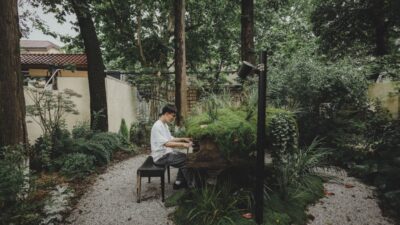
Our brains are hardwired to find comfort in the fractal patterns and textures found in nature. In 2026, successful home decor effortlessly incorporates these elements. Think of using wallpapers featuring tree bark textures or stone-like surfaces for your walls. In the garden, stone pathways weaving through lush greenery can create a visual and tactile journey.
Incorporating materials like wood, stone, and bamboo in unexpected places—such as a kitchen backsplash or a bathroom accent wall—can provide that touch of nature that makes a home feel grounded and serene. For a modern twist, consider terrazzo flooring with embedded stones and minerals, offering a nod to nature while maintaining a sleek aesthetic.
Indoor Greenery: Beyond the Potted Plant
By now, a few well-placed succulents probably feel like yesterday’s news. In 2026, it’s about integrating greenery into the very fabric of your home. Vertical gardens and living walls are more than just a trend—they’re becoming a staple in homes. These installations can transform a plain wall into a vibrant ecosystem, improving air quality and enhancing your mood.
Additionally, consider growing herbs and edible plants indoors. Not only do they purify the air, but they also provide a fresh supply of ingredients for your kitchen. Imagine stepping into your living room and picking fresh basil for tonight’s pasta directly from your living wall. Such integrations create a seamless transition between the indoor and outdoor spaces.
Biophilic Garden Design: Nature’s Blueprint
Biophilic design principles in gardening involve more than planting a few trees and calling it a day. It’s about creating outdoor spaces that mimic natural ecosystems. In 2026, the focus is on biodiversity—crafting gardens that are not only beautiful but also support local wildlife, like bees and butterflies.
Consider planting native flora that thrives in your local climate, reducing the need for excessive watering or fertilizers. In cities like Austin, Texas, this might mean incorporating drought-resistant species like yucca or sage. Meanwhile, in wetter climates like Seattle, ferns and mosses might provide the lush, green aesthetic you’re after.
Biophilic Architecture: A Seamless Flow
Homes in 2026 are being designed with nature at their heart. This includes large windows that frame lush landscapes, offering expansive views that extend the living space outdoors. Skylights and glass ceilings allow sunlight to flood in, connecting the interior spaces with the sky above.
Incorporating retractable glass walls can dissolve the boundary between the interior and exterior, perfect for summer months when you want to blur the lines between your living room and garden patio. These architectural choices aren’t just aesthetically pleasing; they can significantly enhance the quality of life within a home.
The Psychological Benefits of Biophilic Design
The biophilic design isn’t just about aesthetics; it’s about improving mental health and well-being. Research has shown that integrating natural elements into our living spaces can reduce stress, boost creativity, and improve mood. In 2026, designers are more aware than ever of these benefits, striving to create homes and gardens that nurture the soul.
Spaces designed with biophilic principles can be sanctuaries of calm in a bustling modern world. As you plan your home or garden renovations this year, consider the long-term impacts of these choices on your quality of life. After all, your surroundings can be a powerful ally in your pursuit of happiness and health.
Conclusion: Building a Biophilic Lifestyle
As you look to the future, consider how the principles of biophilic design can be woven into the fabric of your home and garden. Whether it’s through the textures you choose, the plants you integrate, or the very architecture of your space, embracing nature can transform your living environment.
In 2026, the move towards biophilic design isn’t just a trend—it’s a revolution in how we live. It’s about crafting environments that nurture our souls and connect us more deeply to the world around us, one plant and one stone at a time. So, take a step outside, breathe in the fresh air, and start dreaming of how you can bring a bit of the natural world back home with you.