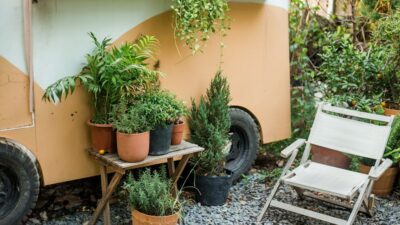
The Rise of Meditation Gardens: A Sanctuary in Your Backyard
In 2026, the trend of creating personal sanctuaries at home is more popular than ever. With the world increasingly demanding, having a dedicated space to unwind and reconnect with nature is essential. Enter the meditation garden—a tranquil retreat that blends nature with serenity. The beauty of a meditation garden lies in its ability to be both a functional and aesthetic addition to your outdoor space.
Choosing the Right Location
Finding the perfect spot in your garden is crucial. Ideally, look for a quiet corner that gets ample daylight but also offers some privacy and shelter from the elements. Consider the path of the sun and how it interacts with the space throughout the day. A south-facing area is often ideal, providing warmth and light, while a west-facing location can offer beautiful sunsets to accompany your evening meditations.
Essential Elements of a Meditation Garden
Creating a meditation garden involves more than just plants. Think about incorporating elements that engage all the senses. Start with a simple water feature. The gentle trickle of a small fountain or pond can be incredibly calming. These can range from a classic stone basin to modern, solar-powered options that are both eco-friendly and efficient.
- Sound: Aside from water features, consider wind chimes or rustling grasses like bamboo to create a natural soundscape.
- Sight: Use a mix of textures and colors in your plant choices. Lavender, with its calming purple hue, paired with the lush green of ferns, can create visual harmony.
- Smell: Aromatic plants such as jasmine, rosemary, and mint can enhance the sensory experience, offering therapeutic benefits.
- Touch: Incorporate smooth stones or a small sand garden for tactile meditation practices.
The Role of Paths and Seating
Paths are not just functional; they guide you through the experience of your garden. Opt for materials like gravel, stepping stones, or wooden decking to create a path that encourages contemplation. When it comes to seating, comfort is key. A simple stone bench or a wooden chair with a view of the garden’s focal point can provide the perfect spot for meditation.
Incorporating Spiritual and Personal Touches
Your meditation garden should reflect your personal spirituality and interests. Consider adding statues, prayer flags, or even a small altar space where you can place meaningful objects. This could be anything from a simple Buddha statue to handpicked stones or crystals.
Practical Takeaway: Start Small, Grow Slowly
Creating a meditation garden doesn’t have to be an overwhelming task. Start with a small section of your yard and gradually expand as you find what works best for you. The process of building your garden can be as meditative as using it, so take your time and enjoy every step of the journey.